XVIe s. · Jardin des Tuileries
Catherine de Medici and the Tuileries Palace
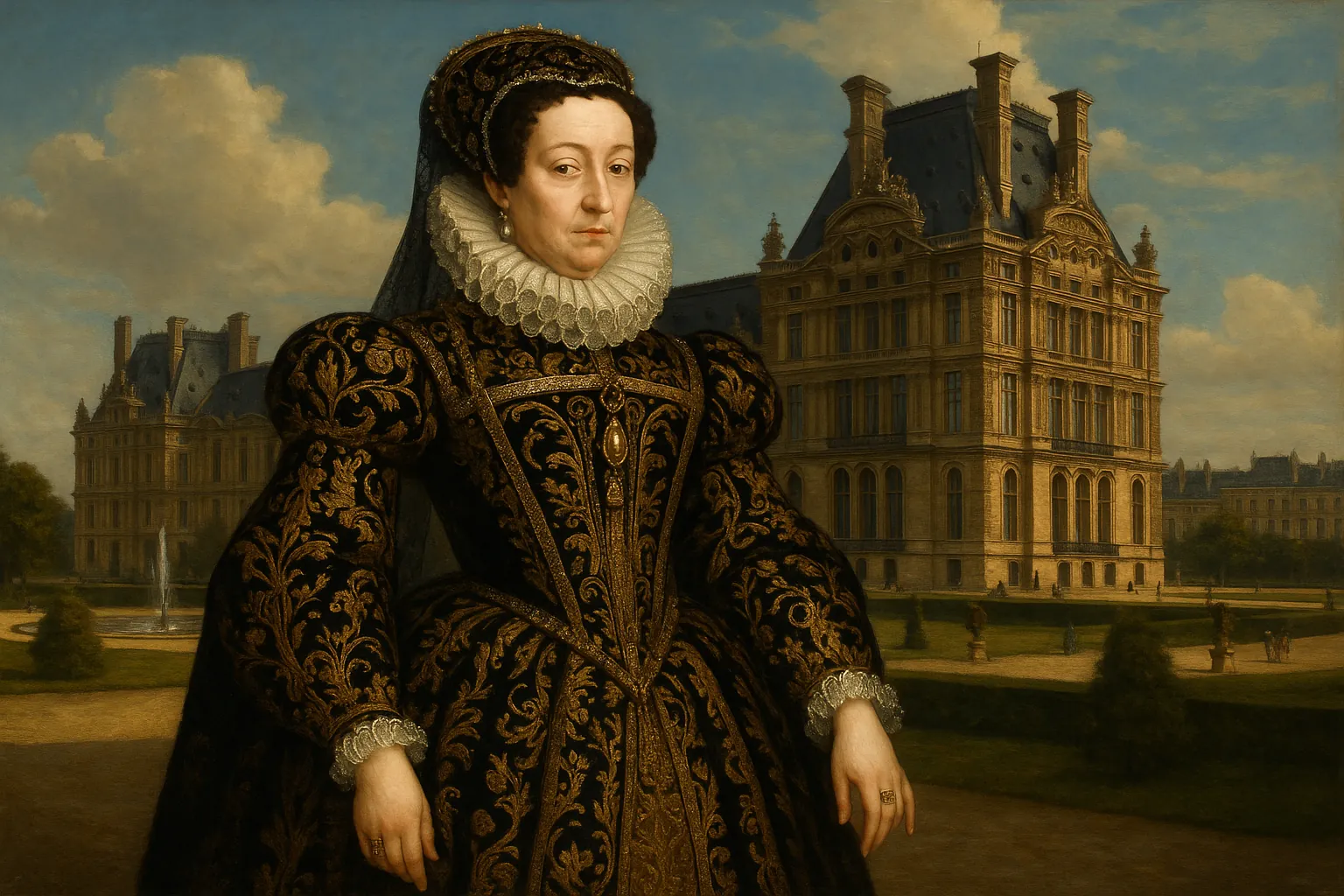
Catherine de Medici
Catherine de Medici, a powerful woman, commits to transforming the Tuileries Palace into a symbol of monarchy.
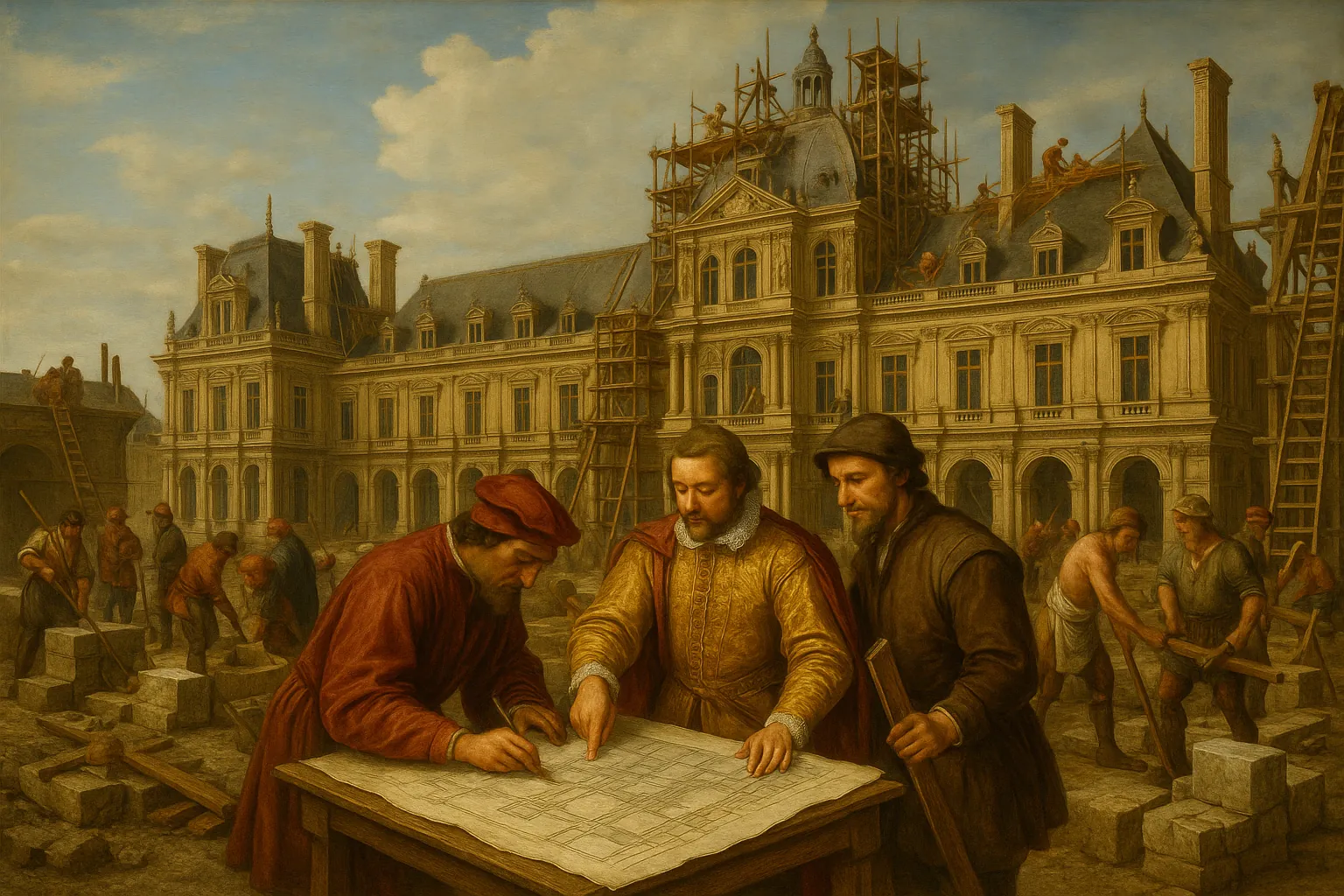
The start of the works
In 1564, work begins under the direction of Philibert Delorme, giving the palace a majestic appearance.
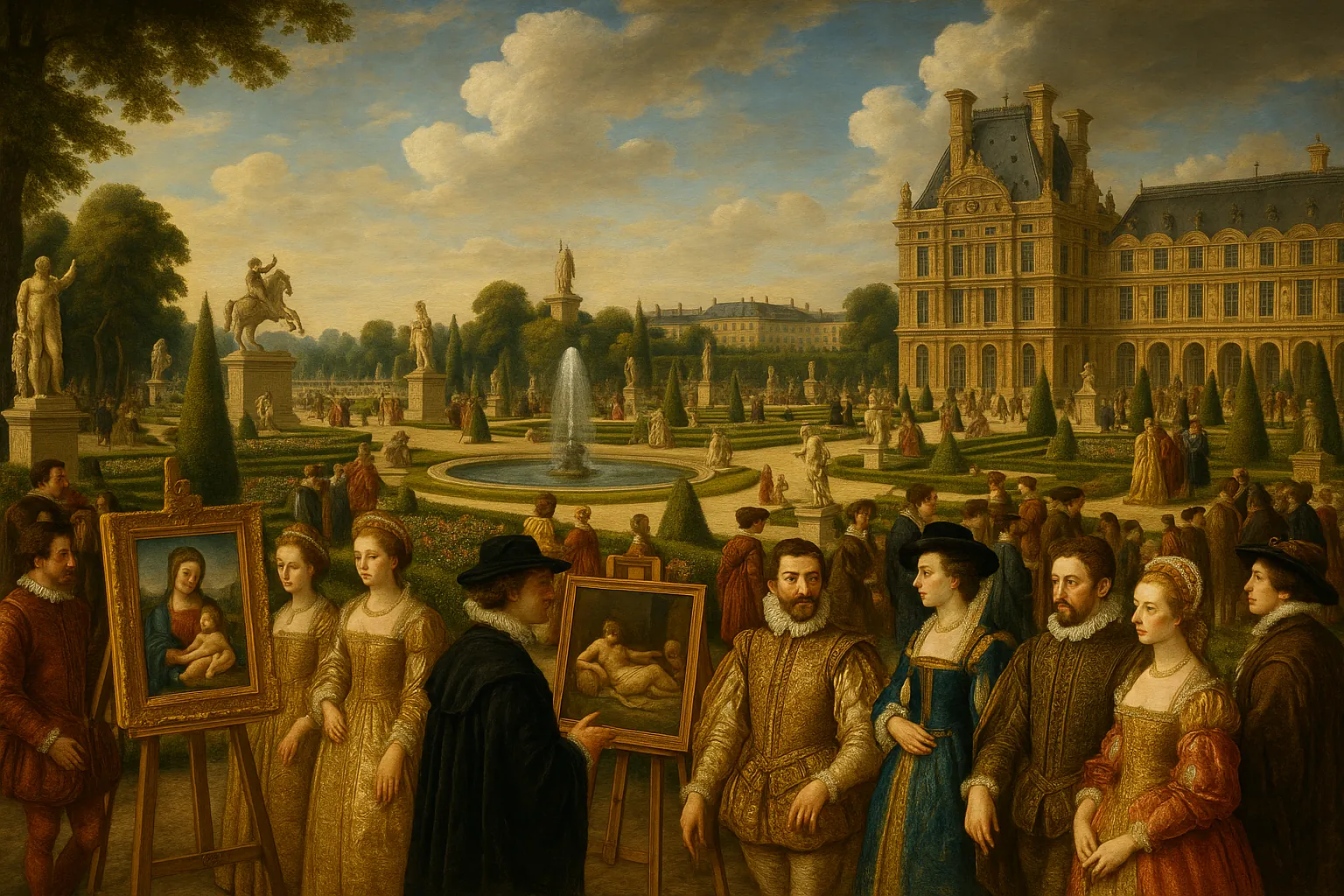
The Tuileries gardens
The gardens, designed by André Le Nôtre, become a meeting place for the aristocracy, blending art and politics.

The influence of art
Catherine invites artists and intellectuals, using art as a propaganda tool for her family.
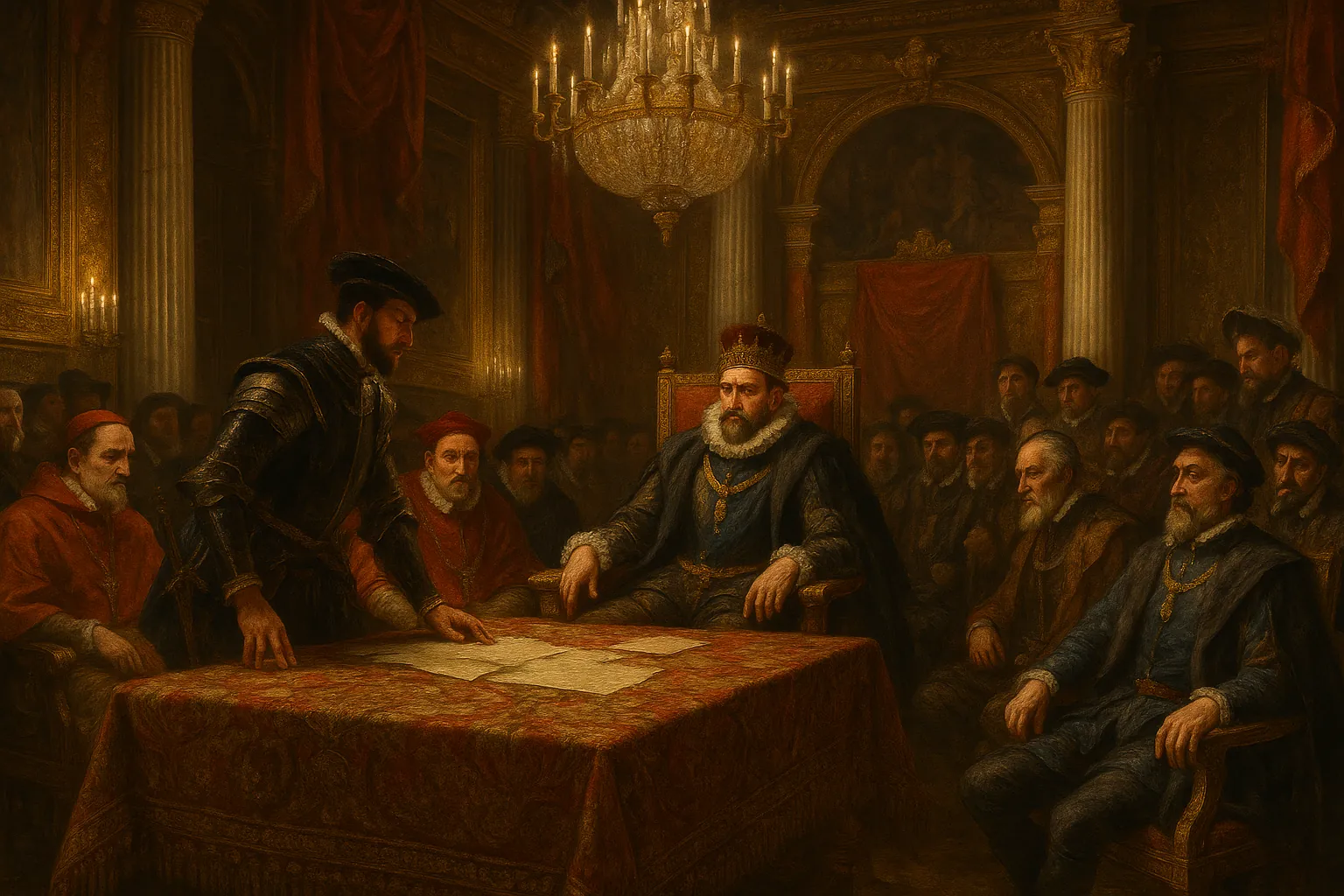
The religious wars
The religious wars threaten the kingdom's stability, and the palace becomes the center of political intrigues.
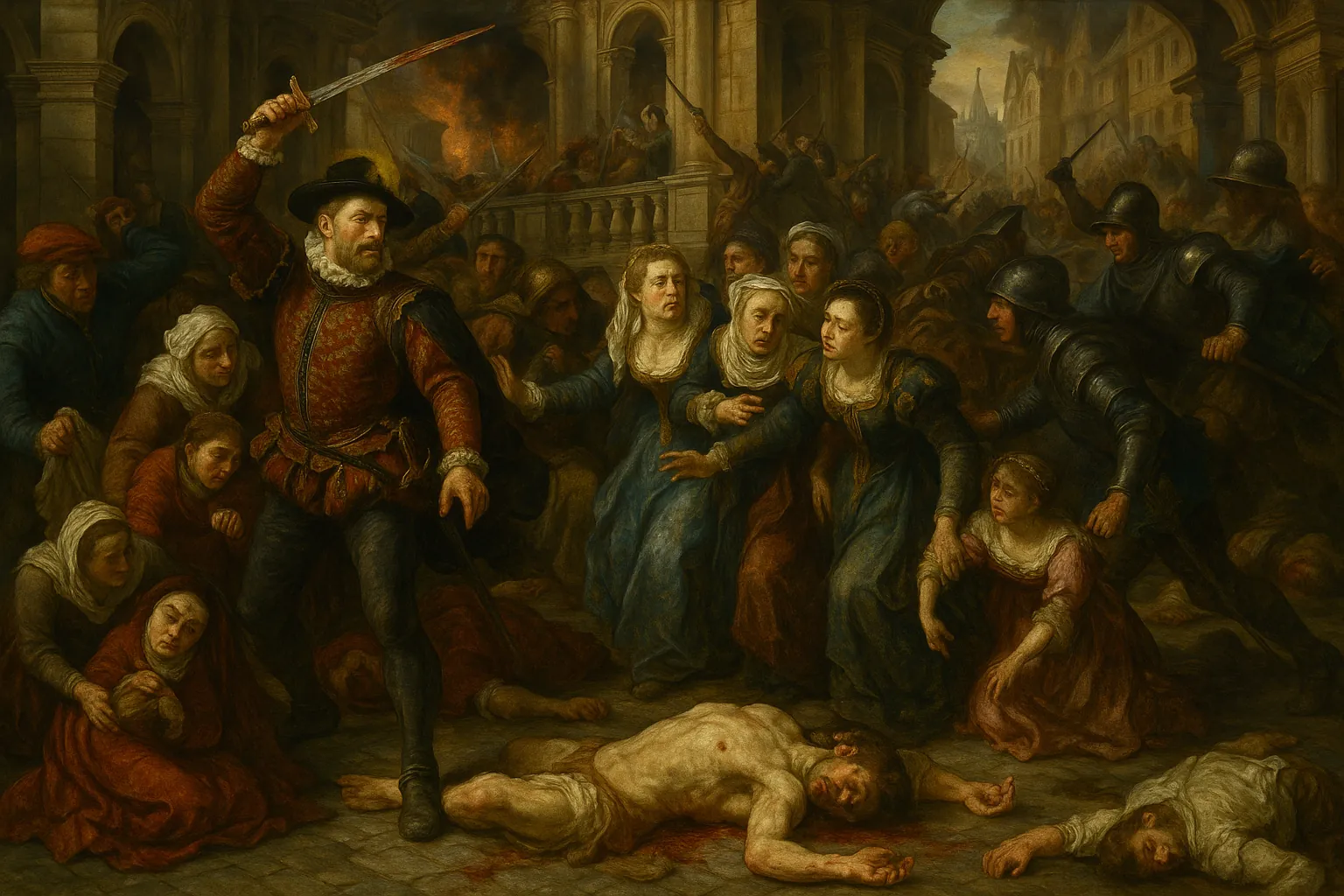
The St. Bartholomew's Day
After the St. Bartholomew's Day massacre, Catherine must skillfully navigate between rival factions in the palace.
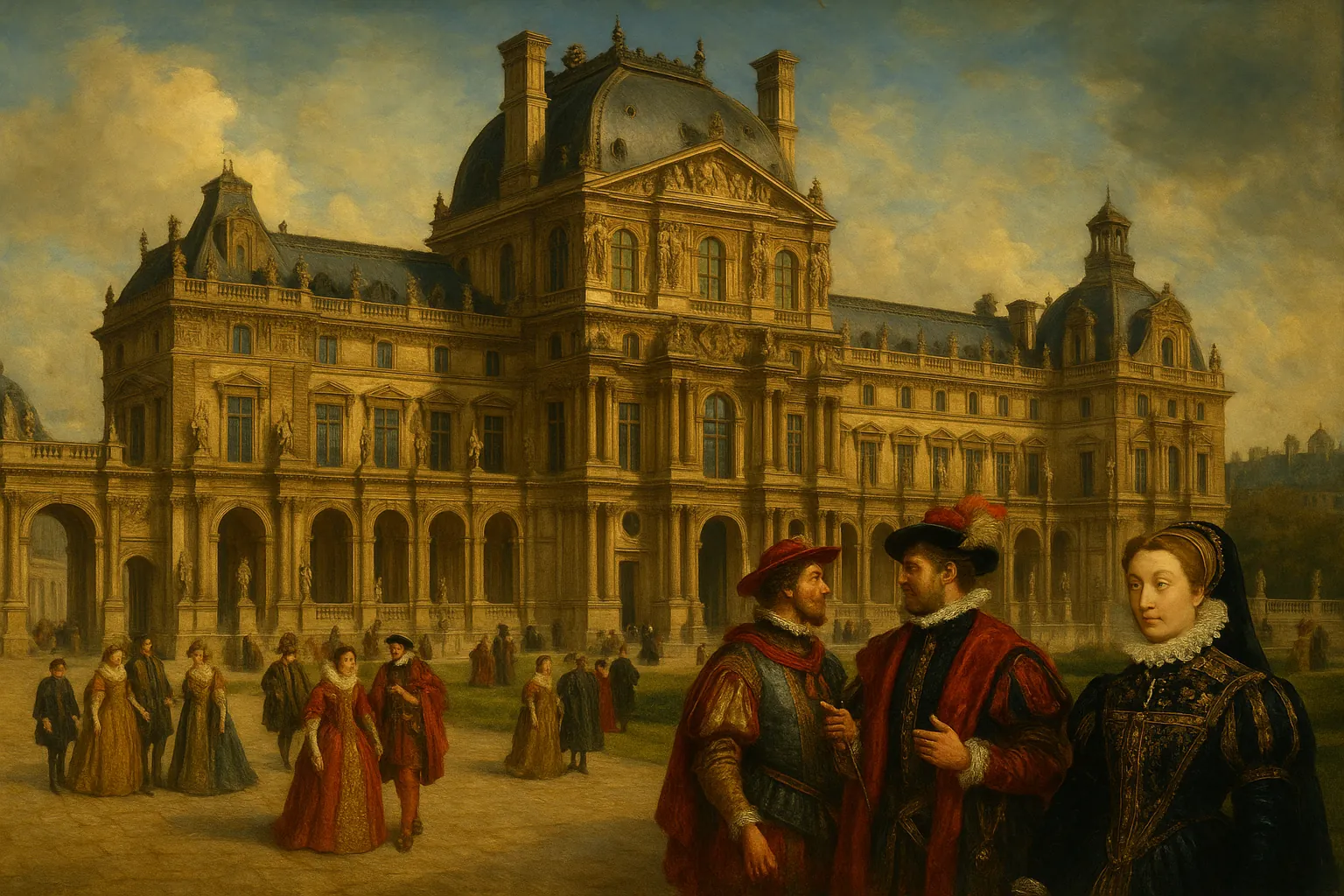
Catherine's legacy
Upon her death in 1589, Catherine leaves a transformed Tuileries Palace, a symbol of the French monarchy.