XVIe s. · Cour Carrée du Louvre
The Renaissance Louvre by Pierre Lescot
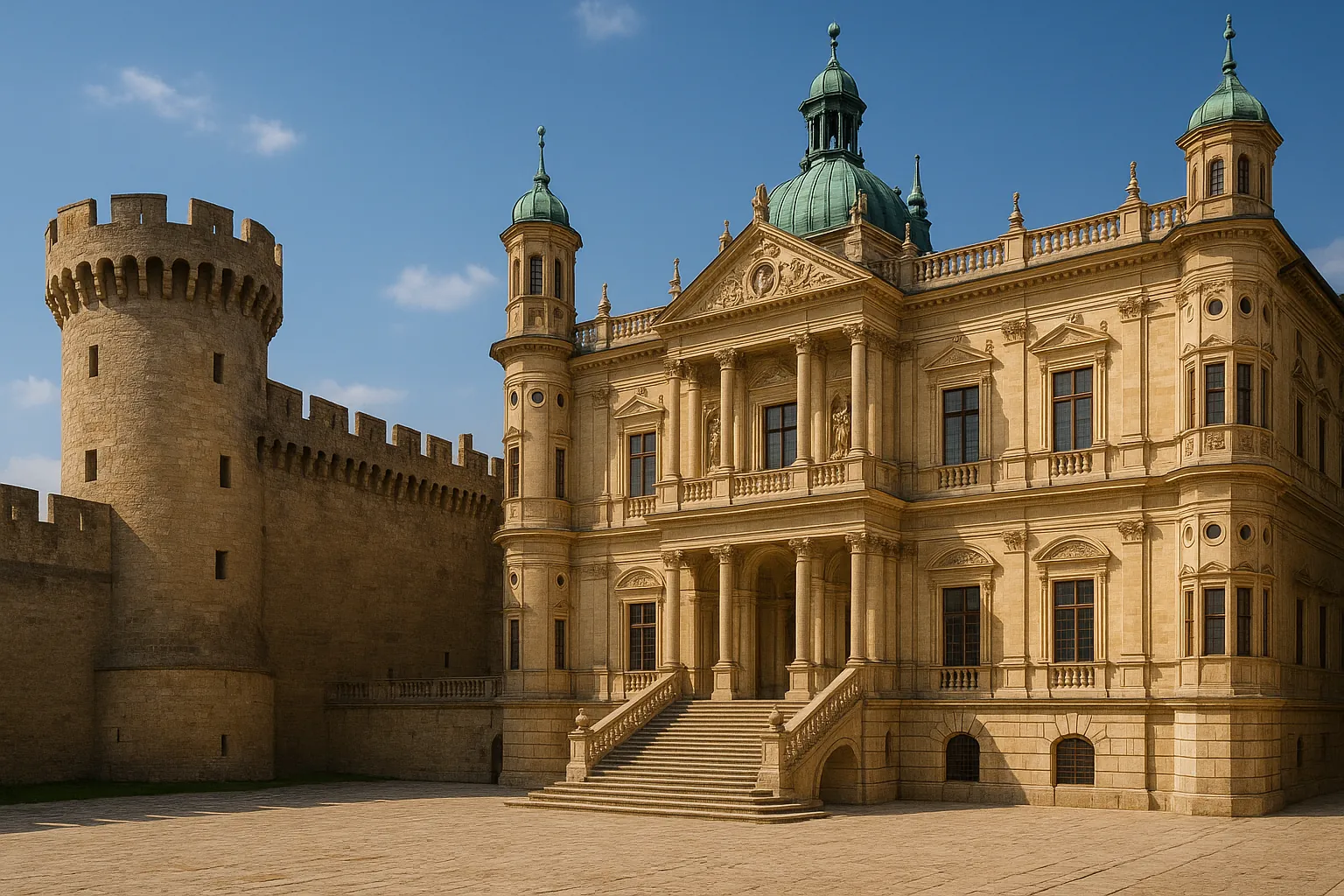
Transformation of the Louvre
In the 16th century, the Louvre transforms from a medieval fortress into a flamboyant royal palace.
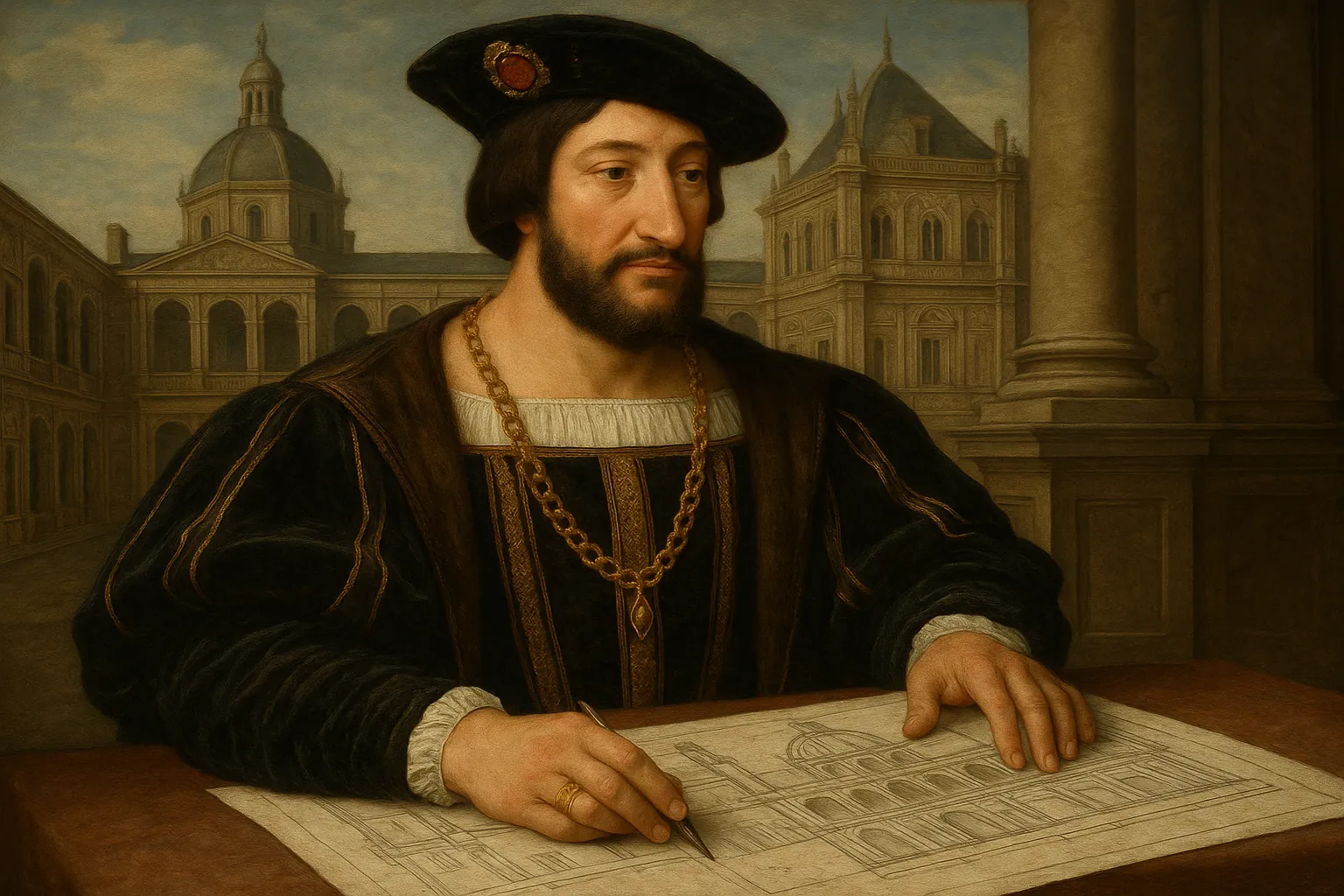
Francis I, the patron
Under the impetus of Francis I, the patron king, Pierre Lescot is tasked with renovating the building.
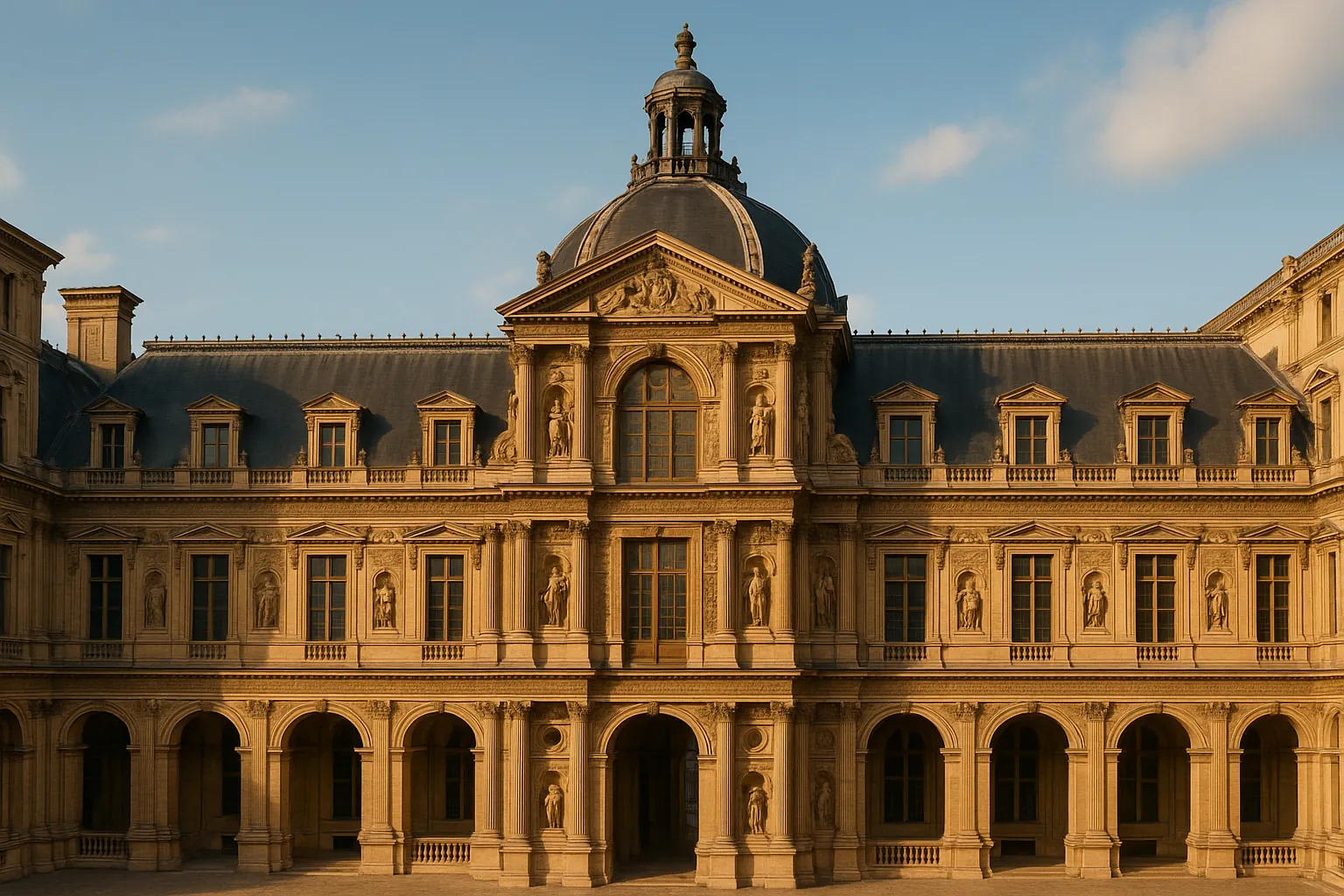
Lescot's architecture
Lescot, a genius architect, introduces the Italian Renaissance style to France, marking the beginning of a new artistic era.
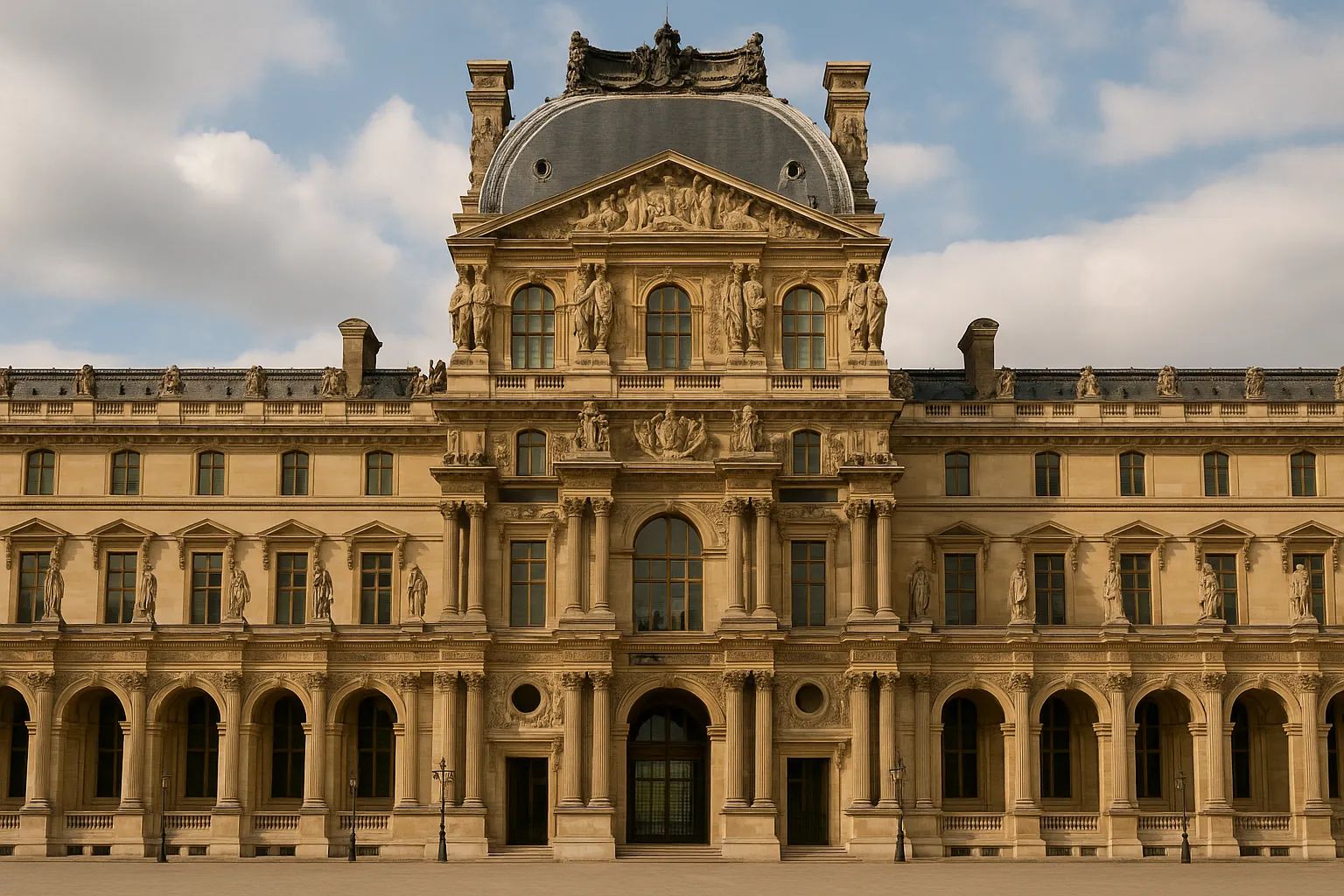
The east façade of the Louvre
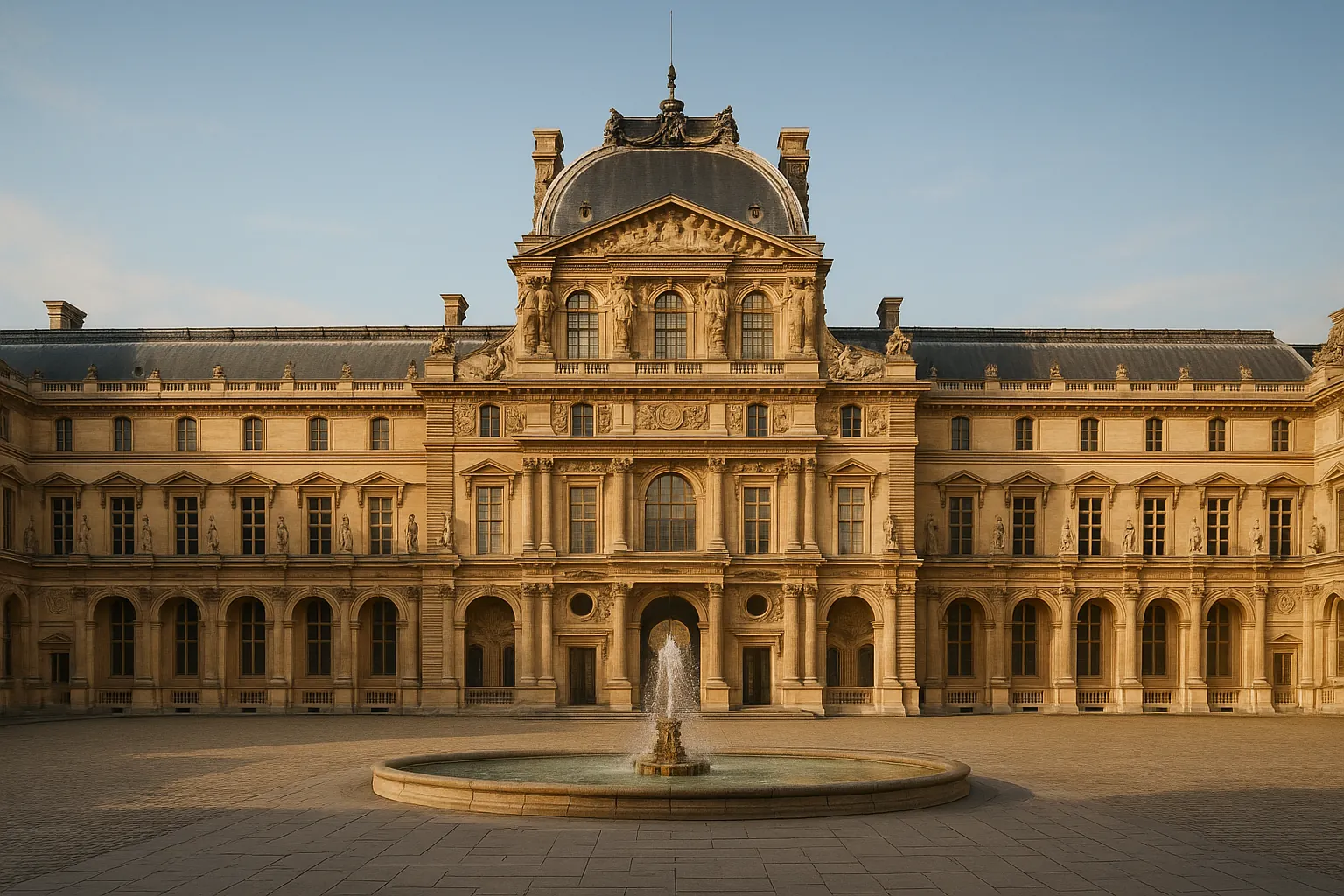
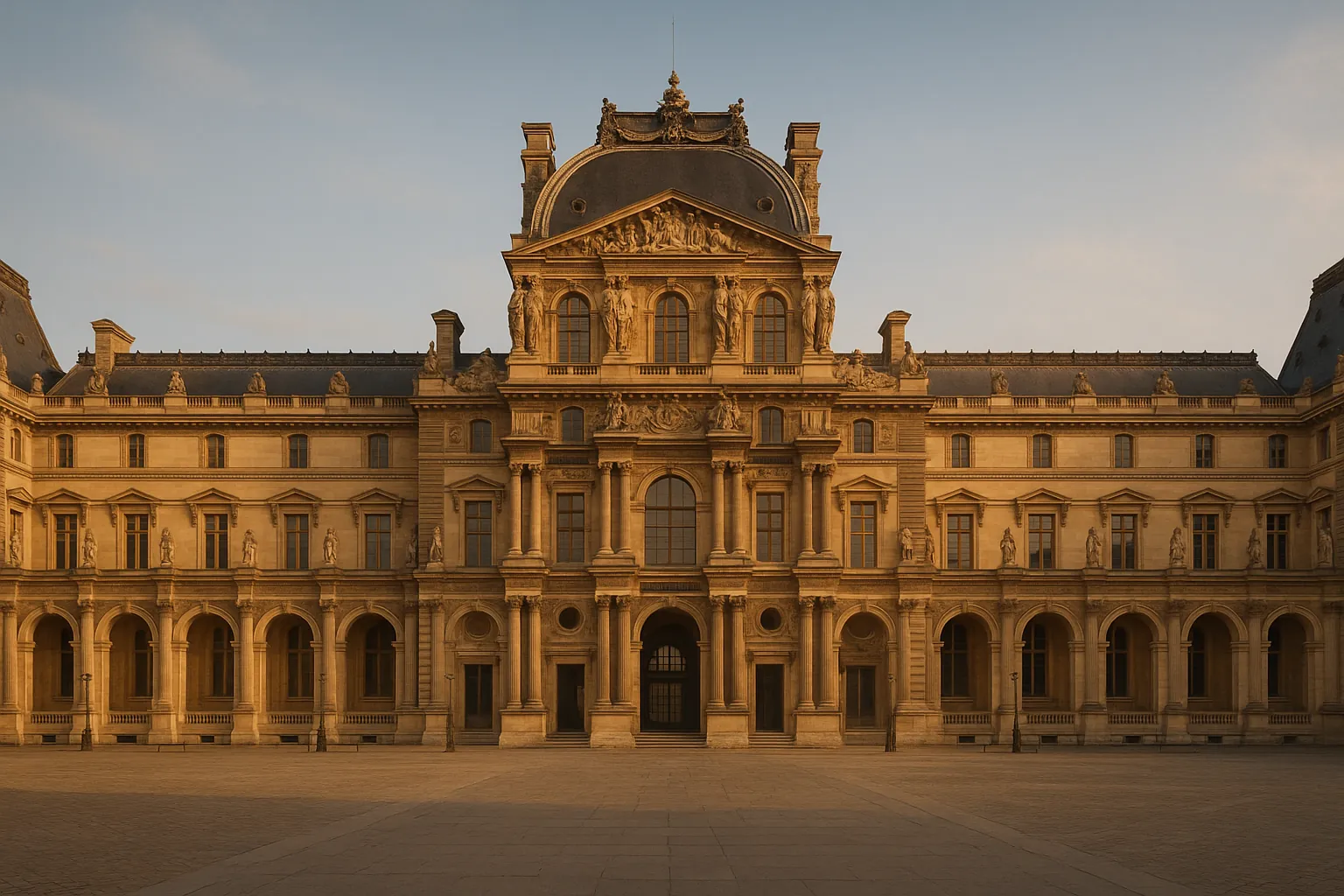
He designs the east façade of the Louvre, adorned with sculptures and refined architectural details.
Artistic influence
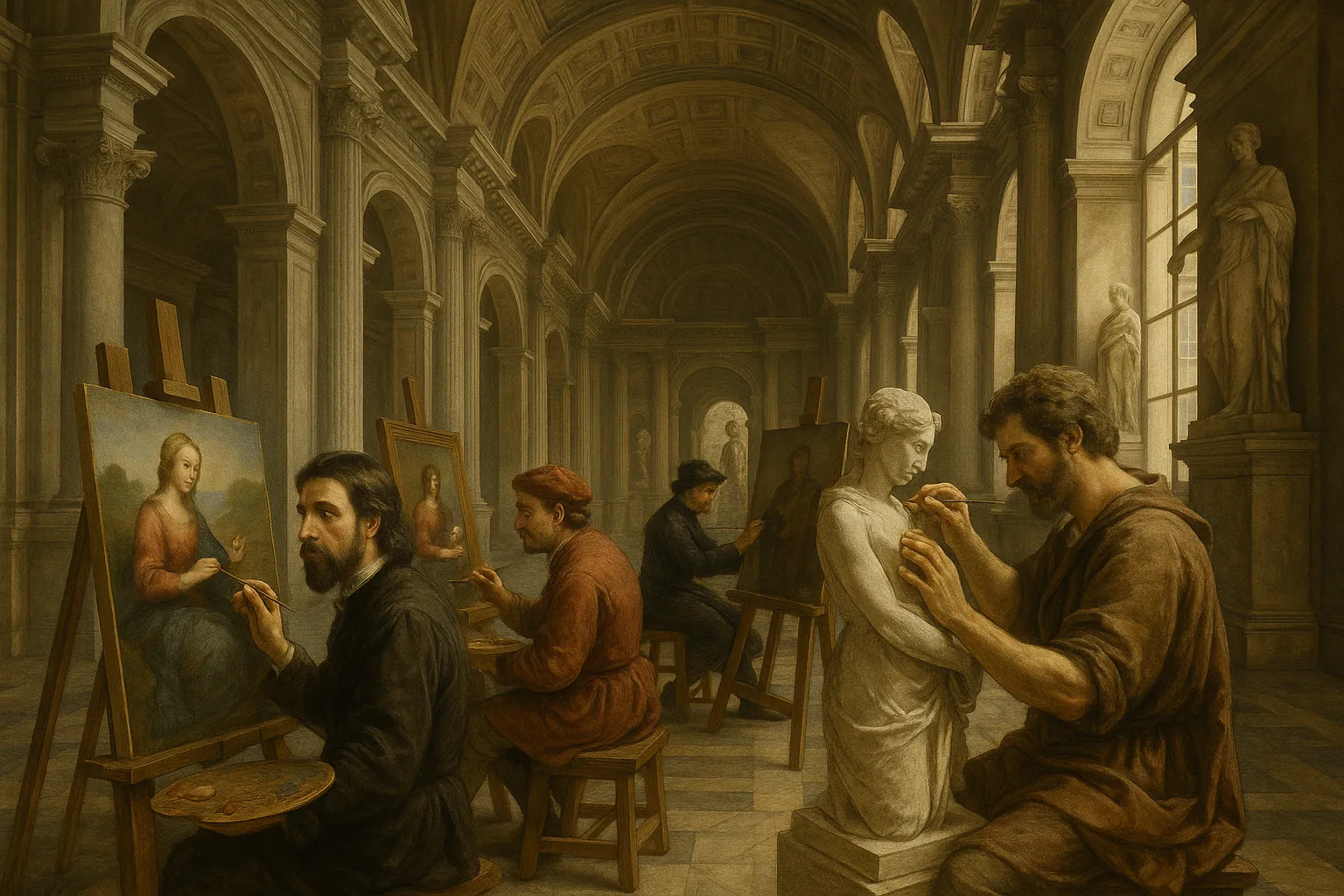
Lescot's transformation of the Louvre also influences the painting and sculpture of the time.
A symbol of power
The Louvre then becomes a symbol of the monarchy, a place where art and power meet.
Louvre's legacy
Today, the Louvre remains a witness to this glorious era, where art and architecture unite to create a timeless masterpiece.