Ier-IIe s. · Arènes de Lutèce
The Arenas of Lutetia
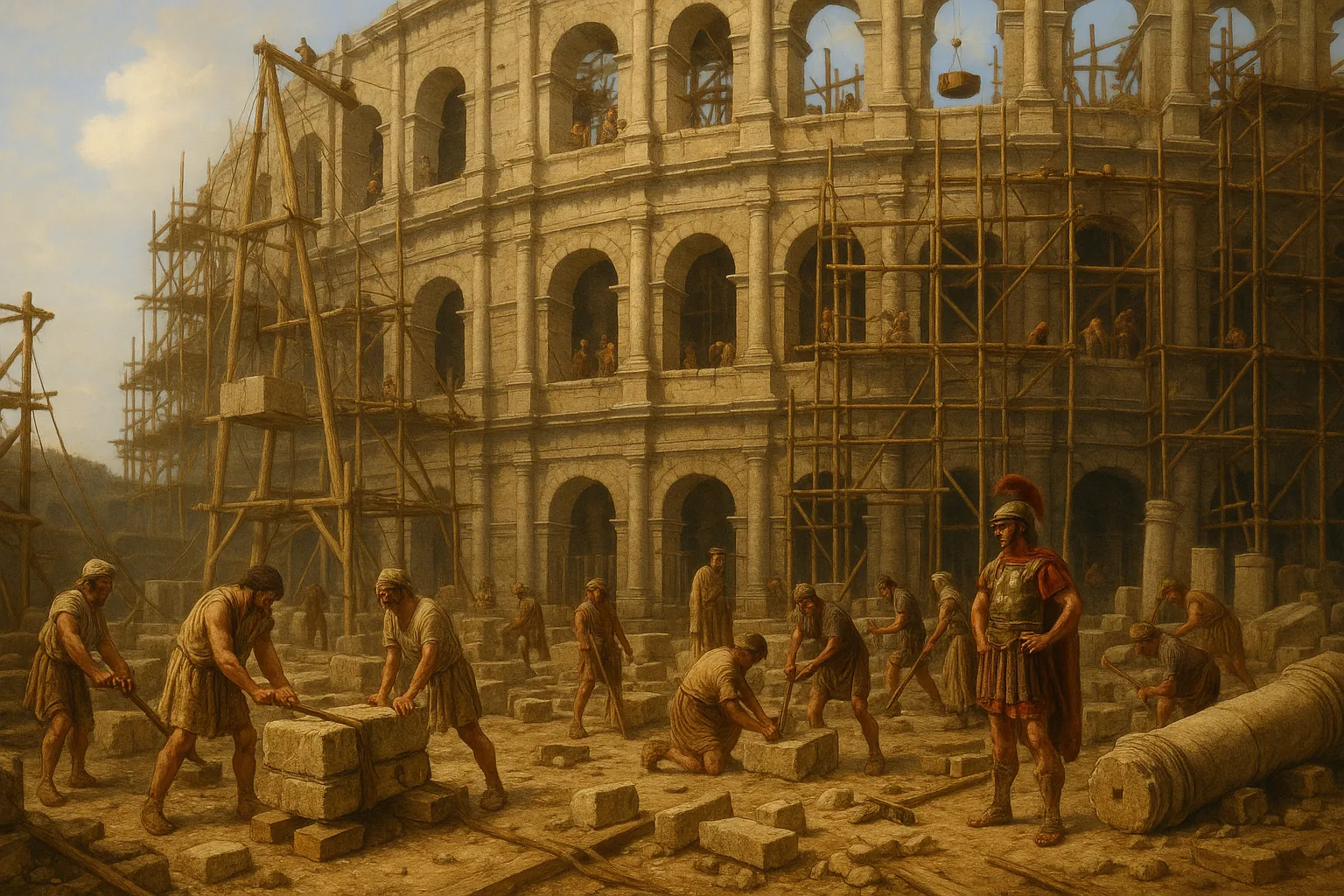
Construction
In the 1st century, the Arenas of Lutetia are built, a symbol of Roman influence in the region. Workers, under the guidance of Roman architects, create an impressive amphitheater capable of hosting thousands of spectators.
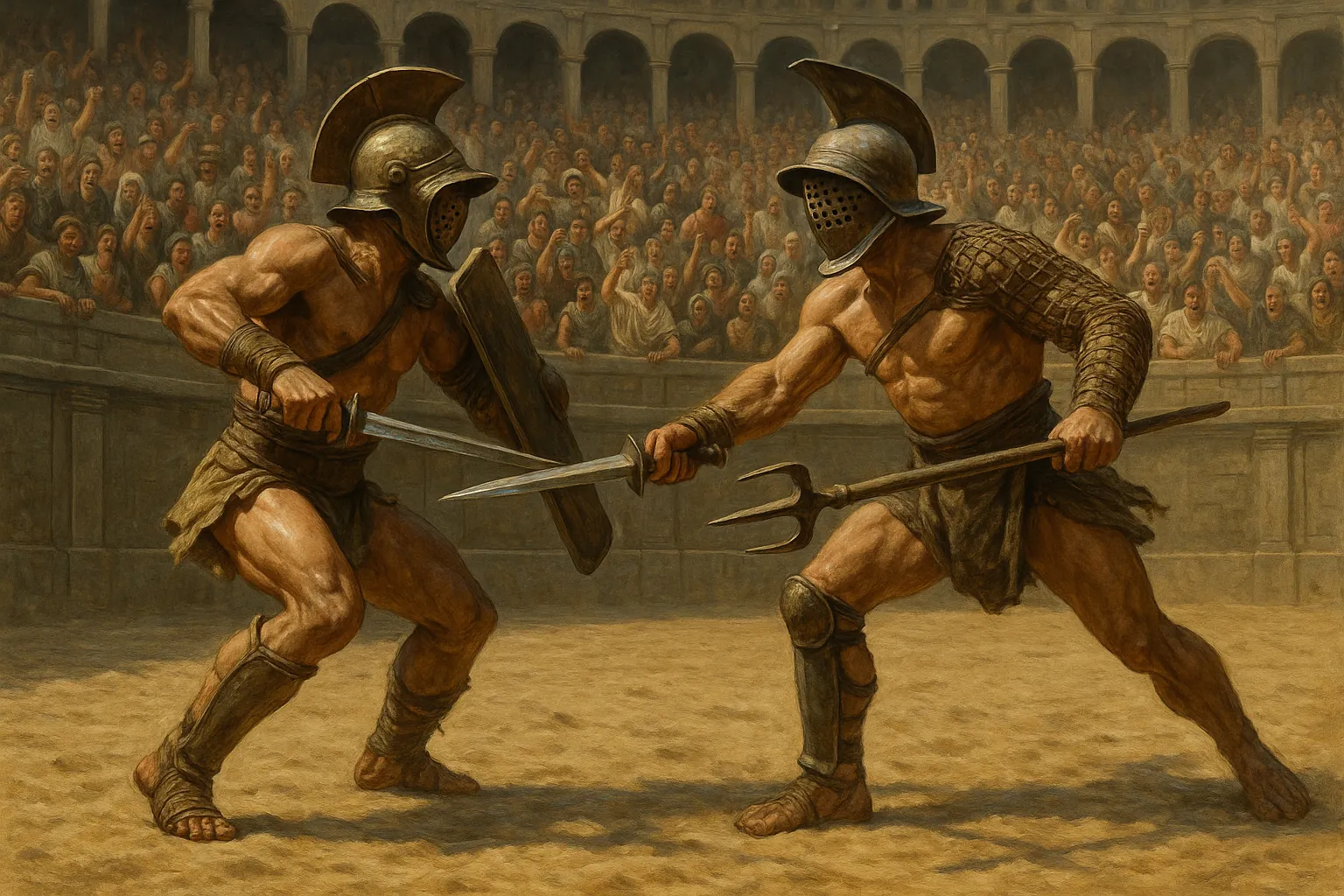
Spectacles
The Arenas vibrate with the rhythm of shows. Gladiators clash in fierce battles, while spectators cheer for their favorites, creating an electric atmosphere.
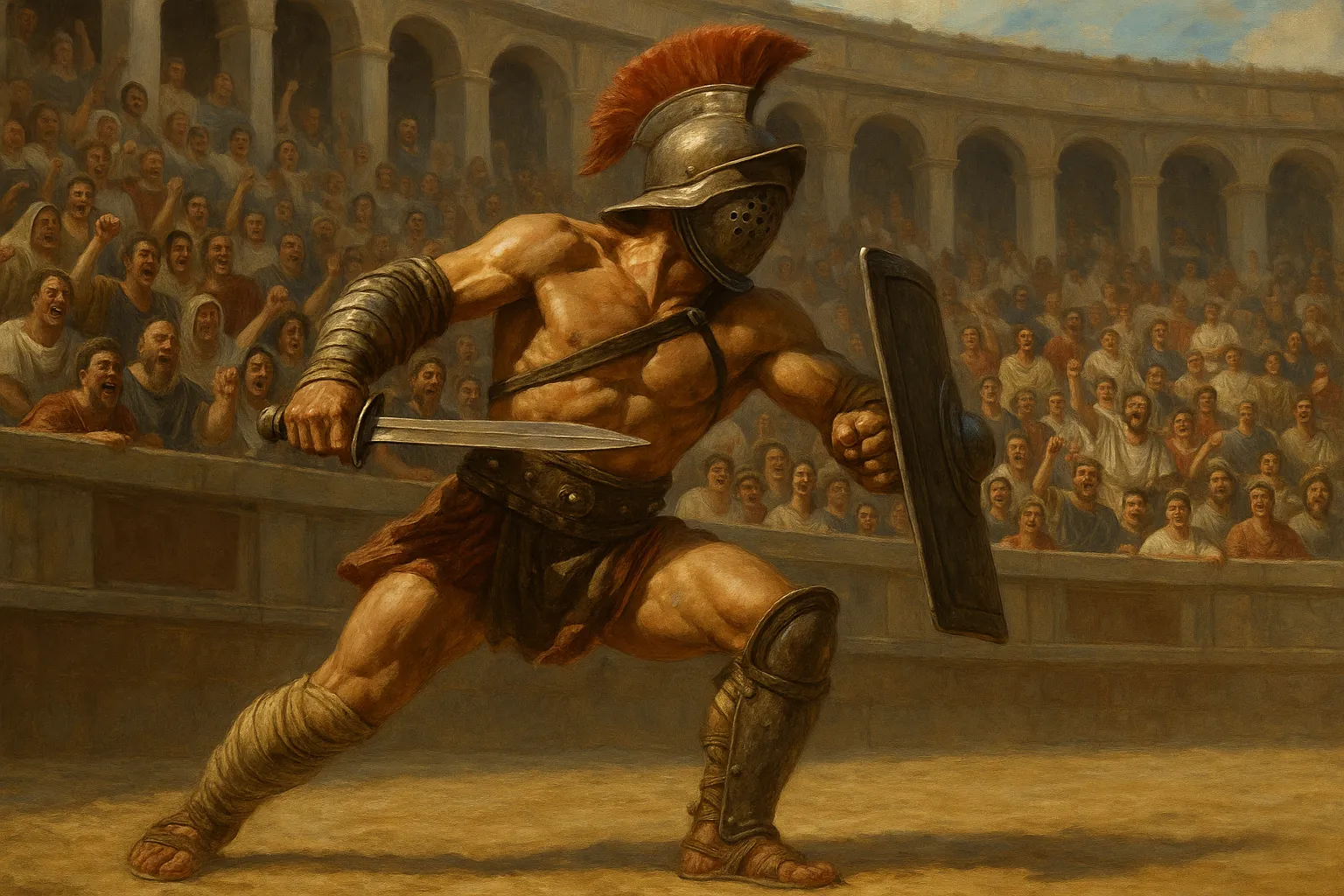
Gladiator fights
These fights, though violent, are a form of art. Gladiators, often slaves or prisoners of war, become celebrities, admired by the public.
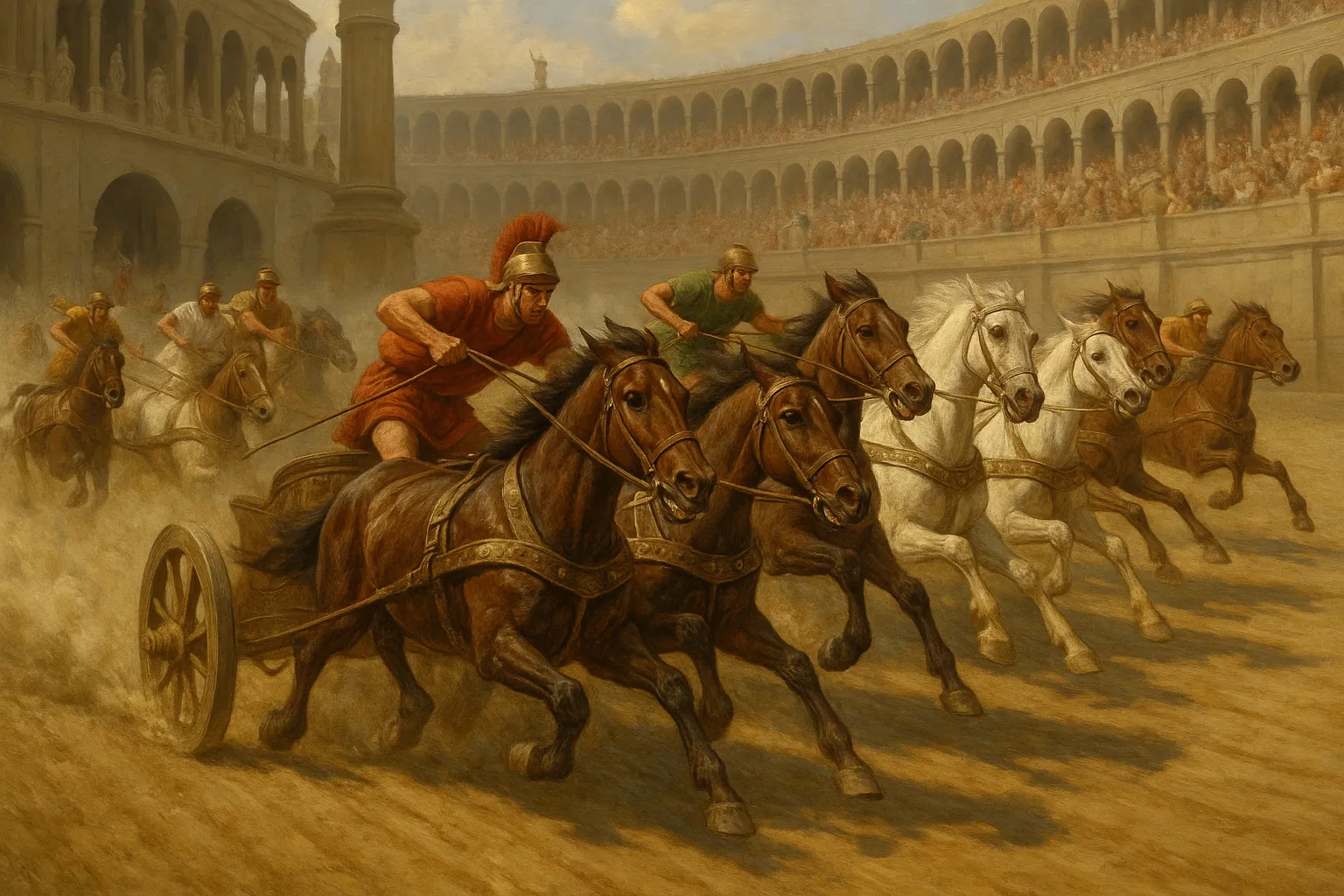
Chariot races
Chariot races are also organized, adding an extra dimension to the entertainment. The drivers, skilled and daring, compete for victory.
Decline
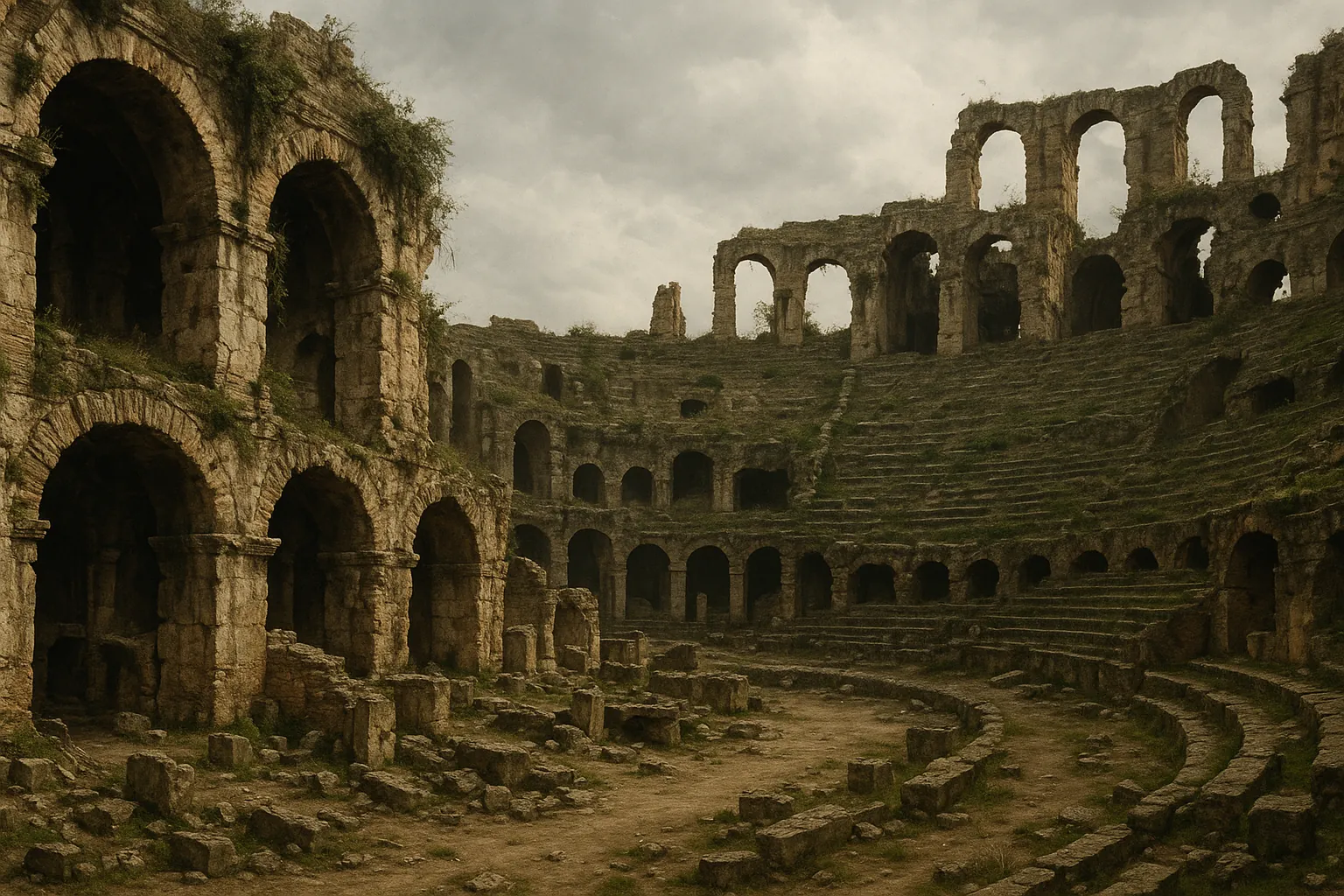
With the fall of the Roman Empire, the use of the Arenas begins to decline. The rituals of antiquity give way to new beliefs and practices.
Transformation
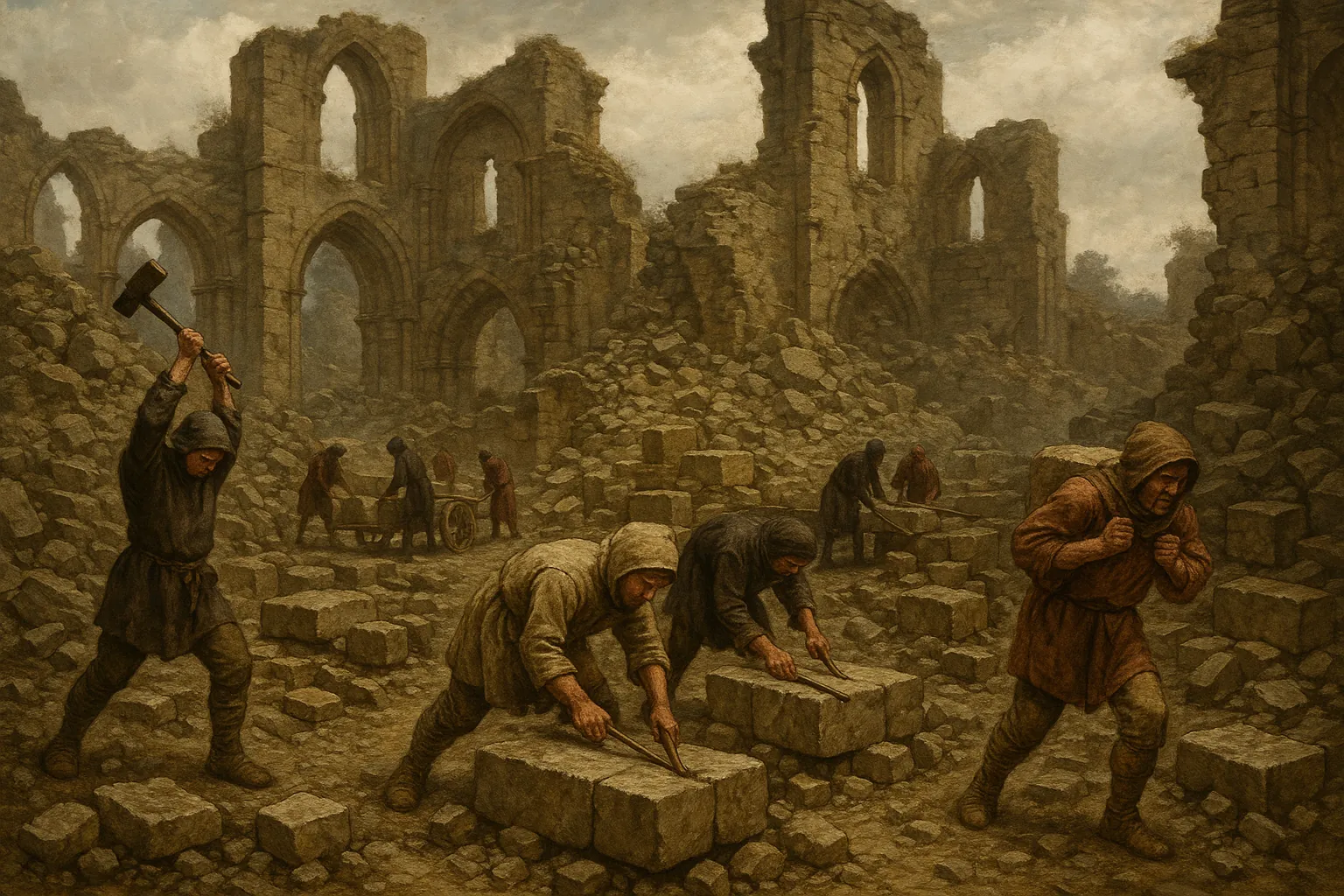
In the Middle Ages, the Arenas are sometimes repurposed as stone quarries. Their past grandeur seems to fade, but their memory remains.
Heritage
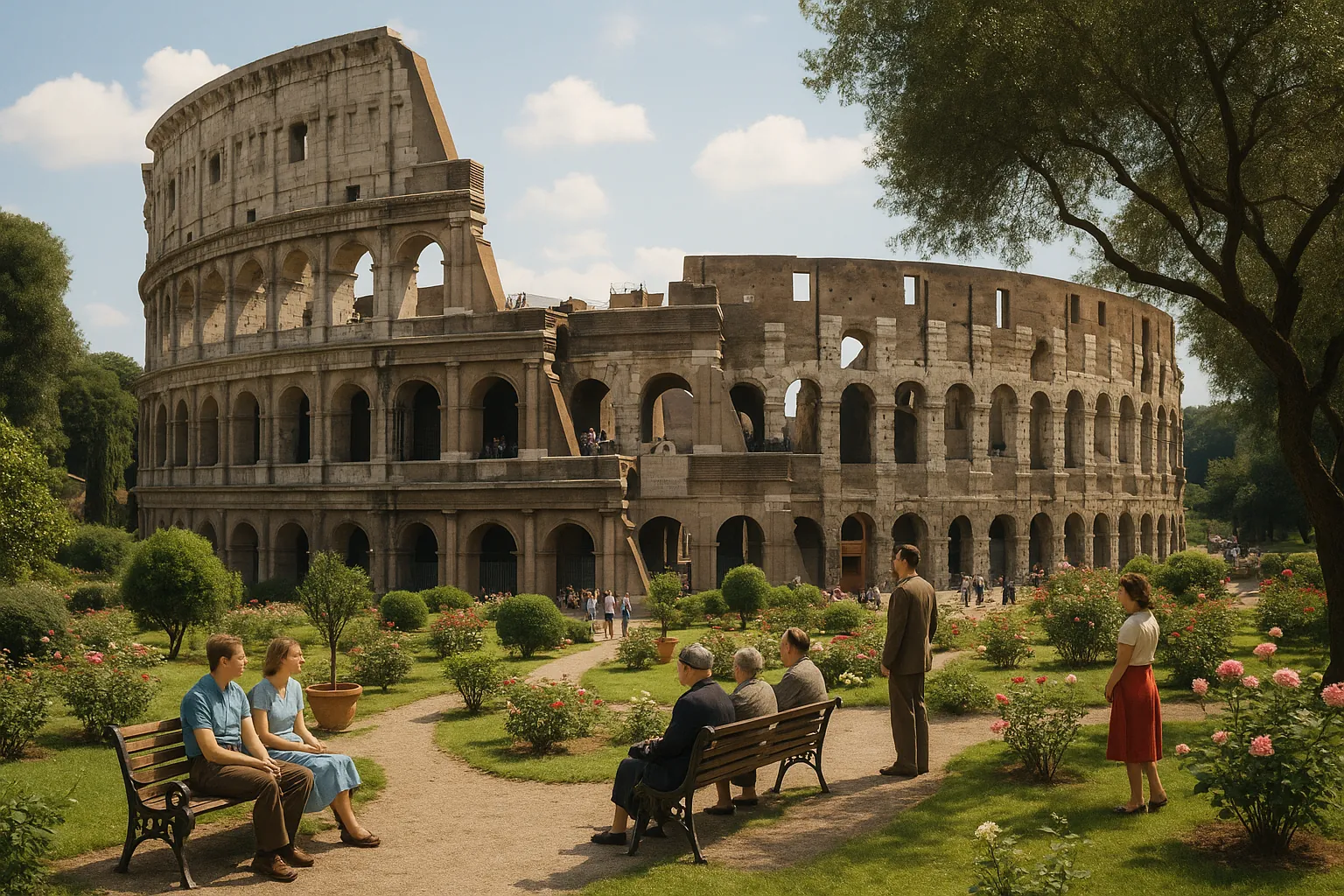
Today, the Arenas of Lutetia are a place of memory. Visitors can stroll through, imagining the bustling life of antiquity in this iconic location of Paris.